

Patrick Long: From Factory Driver to Cultural Architect
By Alexander Cartigan – Chief Editor
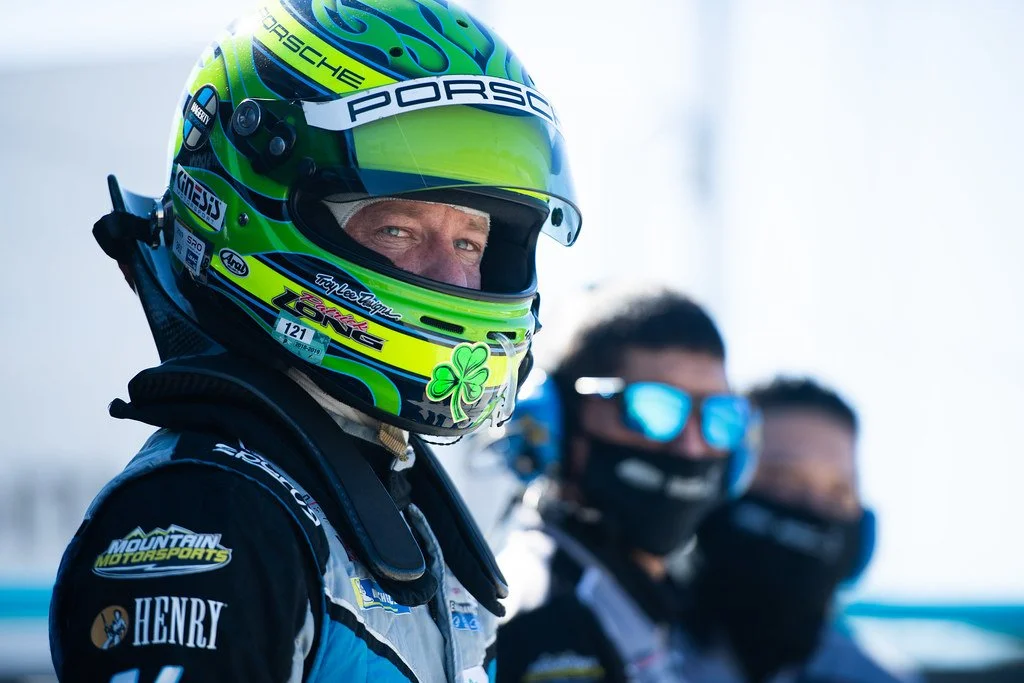
There are drivers who chase speed. And then there are those who chase something far more elusive… meaning.
For Patrick, the pursuit was never about crossing a finish line. It began long before Le Mans victories, before factory contracts, before global stages. It started with something far simpler.
Curiosity.
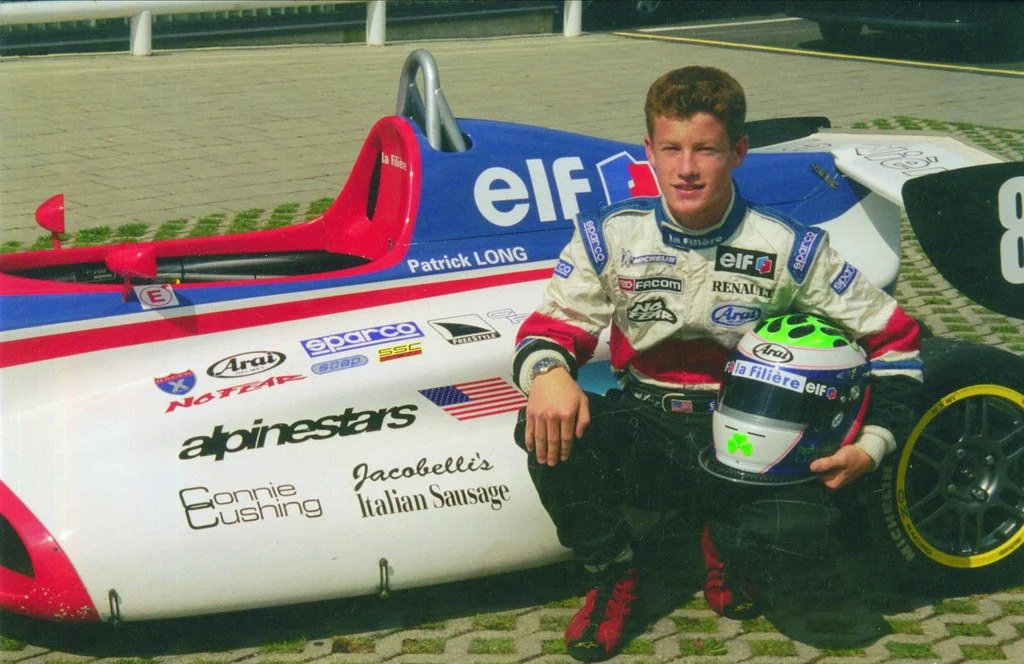
At just three years old, Patrick was drawn to motion. Wheels. Engines. The mechanical poetry of movement. By five, that curiosity evolved into something more defined, gripping a steering wheel inside a go-kart, not chasing competition, but chasing control. Not racing others but refining himself.
That early obsession wasn’t about spectacle. It was about mastery.
His early influences weren’t limited to one category or one path. They stretched across continents and surfaces. From the raw, unpredictable world of short track dirt racing to the precision and calculated intensity of Formula 1, Patrick studied drivers who operated at the highest level, regardless of environment.
Names like Michael Schumacher and Ayrton Senna stood as benchmarks. Not just for their success, but for their approach. Their ability to extract performance beyond what seemed possible. Their relentless focus. Their understanding that greatness wasn’t built on talent alone, but on discipline and obsession.
But what resonated most with Patrick wasn’t just dominance at the top.
It was range.
He gravitated toward drivers who refused to be defined by a single lane. The American greats left an impression. Figures like A.J. Foyt and Mario Andretti, drivers who moved seamlessly between disciplines, mastering everything from IndyCar to endurance racing, from dirt to asphalt, from sprint formats to long-form battles of attrition.
They weren’t specialists.
They were complete drivers.
And that idea, the ability to adapt, to evolve, to understand machinery and environment at a deeper level, became foundational to Patrick’s own philosophy
In an era where motorsport was increasingly segmented, where young drivers were often pushed into narrow pipelines, Patrick saw something different. He saw value in versatility. In understanding not just how to drive fast, but how to drive anything.
Different surfaces. Different cars. Different pressures.
That diversity didn’t just shape his skillset. It shaped his perspective.
Because for Patrick, racing was never about fitting into a predefined mold.
It was about building one of his own.
California Roots, Global Vision
Growing up in Thousand Oaks, tucked into the greater Los Angeles ecosystem, Patrick was surrounded by one of the richest automotive cultures in the world. Weekend mornings meant early drives to local car shows. The backdrop was equal parts canyon roads, motorsport history, and creative energy.
It was here that the blueprint formed.
But passion alone doesn’t build a career in racing
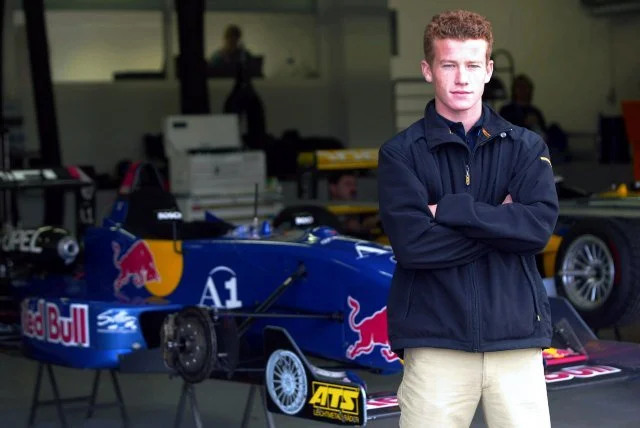
At 16, Patrick made the decision that would define everything that followed. He left California. Left home. Left comfort. And moved to Europe.
No guarantees. No safety net.
Just belief.
While balancing a 60-hour work week, racing commitments, and education, he immersed himself in the highest levels of competition. What many would call sacrifice, Patrick reframes as something else entirely.
“Opportunity.”
The Porsche Crest
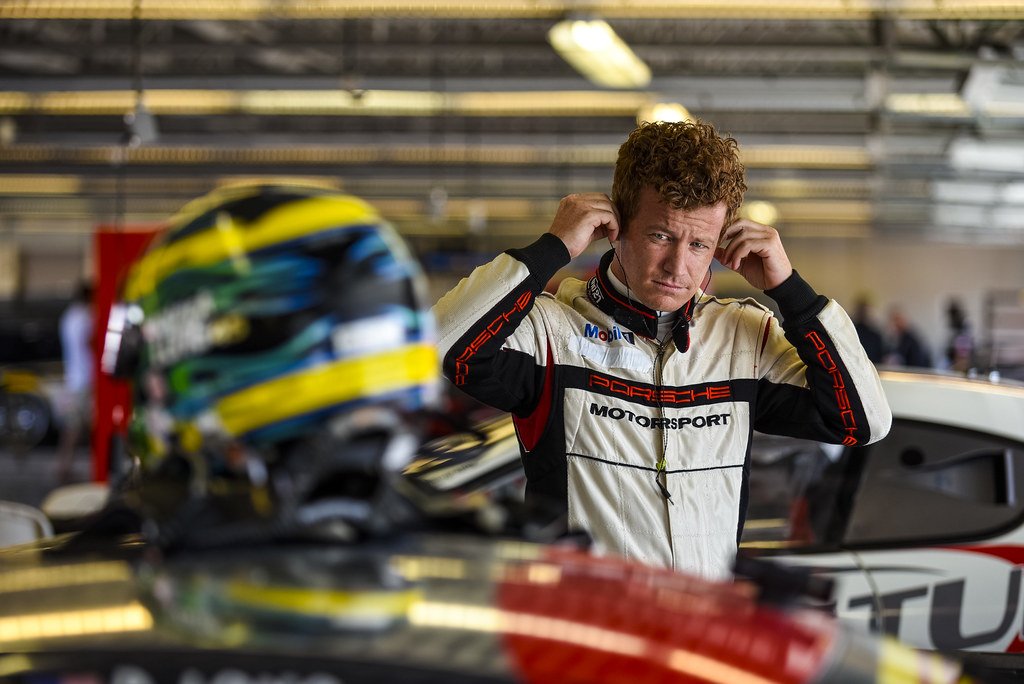
In 2003, at just 21 years old, Patrick became a Porsche factory driver.
A position reserved for the few. Earned by even fewer.
What began as a near-path toward Formula 1 shifted into something deeper. Porsche didn’t just offer a seat. They offered a philosophy. A system built on precision, discipline, and relentless pursuit of excellence.
And with it came responsibility.
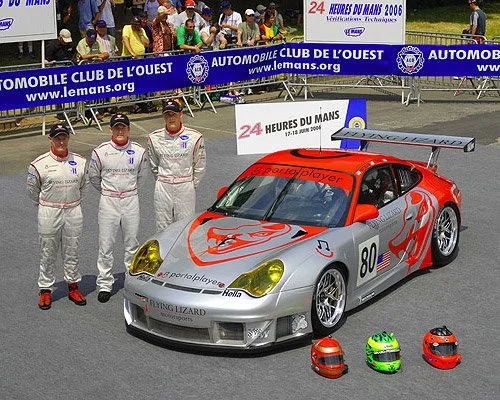
To carry the Porsche crest at events like the 24 Hours of Le Mans is not just to race. It is to represent one of the most respected engineering legacies in the world. It is to operate under a microscope where milliseconds define outcomes and where performance is measured not just in speed, but in consistency.
Over an 18-year tenure as North America’s only Porsche factory driver, Patrick didn’t just compete. He evolved.
“As much as Porsche is engineering and precision,” he reflects, “it’s also creativity, risk-taking, and humility.”
That duality became his identity
A Partnership Measured in Time: TAG Heuer
For Patrick, time is not abstract. It is tangible. Measurable. Unforgiving.
In motorsport, there is no pause button. No extension. The clock moves forward whether you are ready or not.
That philosophy extends beyond the track.
It lives on his wrist every time he looks at his TAG Heuer.
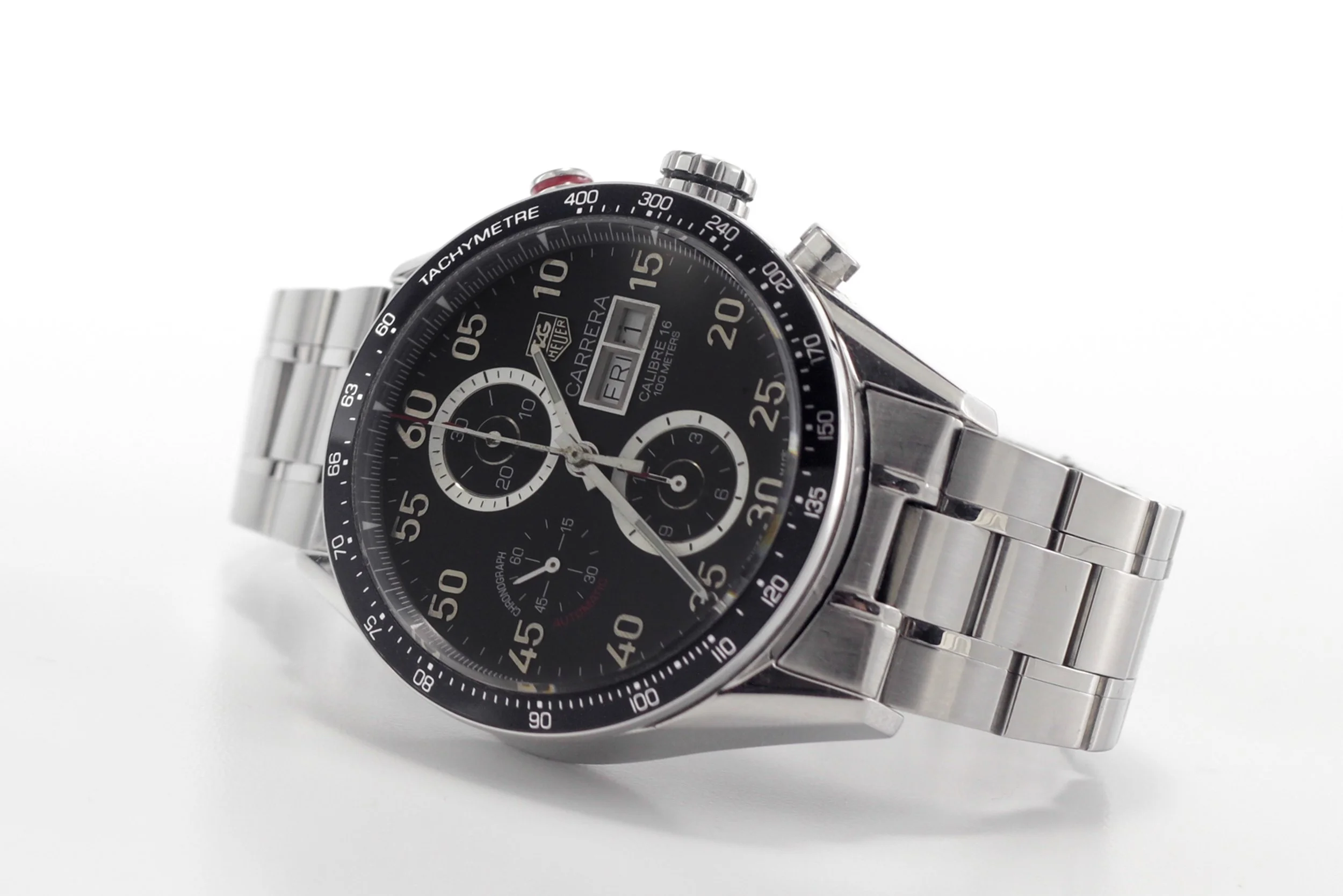
Patrick’s relationship with the brand traces back to the earliest days of his professional career. His first meaningful timepiece, a TAG Heuer Carrera, wasn’t acquired as a statement piece. It was chosen with intention. A watch rooted in motorsport heritage, designed for legibility, precision, and performance. The same principles that defined his approach to racing.
The Carrera has long stood as one of the most authentic bridges between horology and motorsport. Born in the 1960s and inspired by the legendary La Carrera Panamericana road race, it was never about excess. It was about clarity under pressure. A tool watch for those operating at the edge.
That philosophy mirrors Patrick’s own trajectory.
Over the years, as his career evolved from rising talent to Porsche factory driver, his relationship with timepieces evolved as well. But the core remained unchanged. Watches, like cars, were never about status. They were about stories.
Each piece marks a chapter.
Each scratch, each wear pattern, a timestamp of experience.
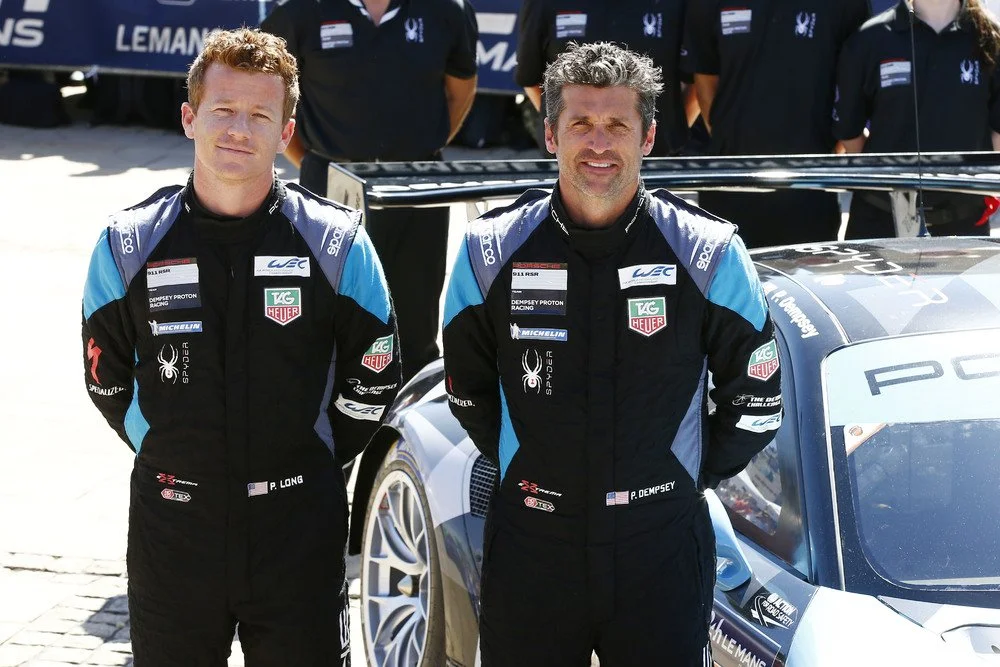
His connection to TAG Heuer is not defined by campaigns or visibility. It is defined by shared values. Precision. Heritage. Functionality. Authenticity.
In a world where partnerships can often feel transactional, these feels earned.
Because for Patrick, time has never been an accessory.
It has always been the metric.
And whether measured in milliseconds at Le Mans or in the quiet reflection of moments that shape a life, the philosophy remains the same.
Time is not something you wear. It is something you live.
From Driver to Cultural Architect
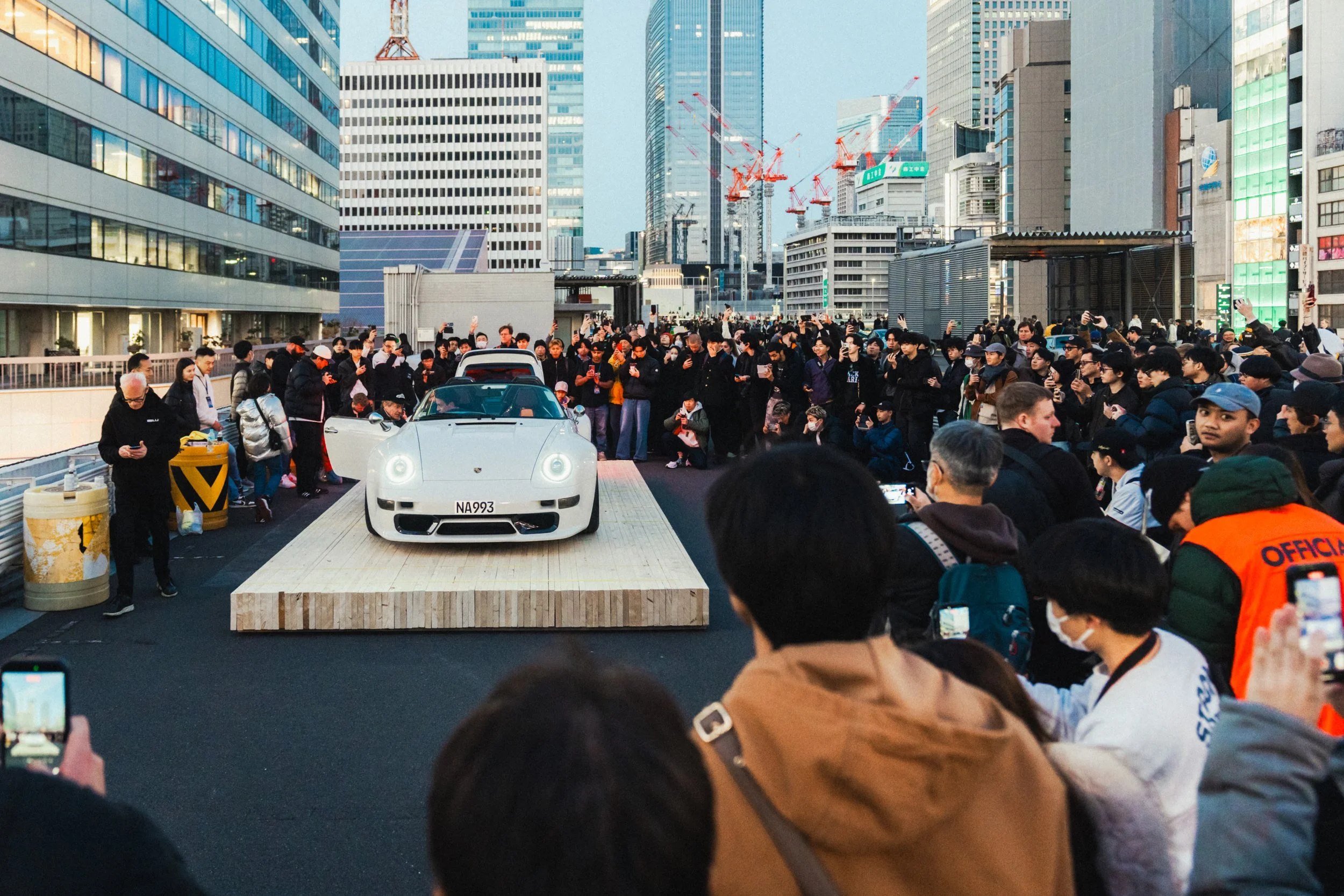
Patrick’s legacy does not end at the checkered flag.
From Driver to Cultural Architect
Patrick’s legacy does not end at the checkered flag.
In 2014, he co-founded Luftgekühlt, a concept rooted in a simple idea… share the story of air-cooled Porsche heritage.
But what emerged was something far greater.
Not a car show. A curated experience.
How do you share something that feels personal… with the world?
The answer began with a car.
A 1986 3.2 Carrera, his first air-cooled Porsche. A machine that didn’t just drive differently, it felt different. Mechanical. Honest. Imperfect in the ways that made it perfect. It connected driver to road without filtration, without excess, without distraction.
And with that came a realization.
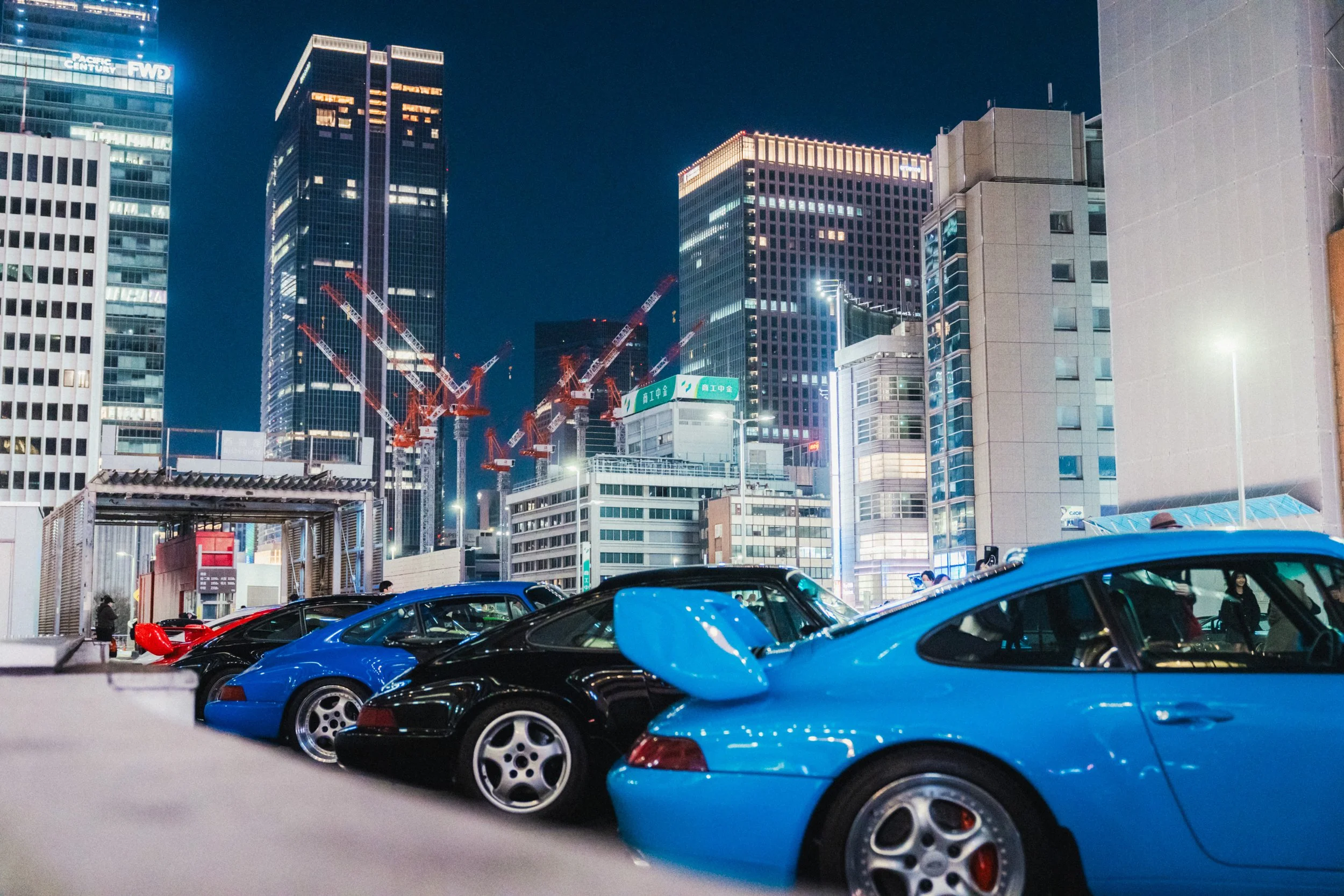
Air-cooled Porsches weren’t just cars. They were artifacts of a specific era. From 1948 to 1998, they represented a lineage defined by engineering purity, by design evolution, by a philosophy that prioritized connection over convenience.
But outside of small enthusiast circles, that story wasn’t being told at scale.
There was no stage.
No environment that elevated these cars beyond parking lots and casual gatherings. No setting that treated them with the same reverence as fine art, architecture, or design.
So, Patrick decided to create one.
Not another car show.
Something more intentional.
The vision for Luft was clear from the beginning. It had to feel curated, not crowded. It had to exist within spaces that carried their own design language… industrial buildings, architectural landmarks, environments that complemented the cars rather than competed with them.
Because context matters.
A Porsche is not just seen. It is experienced.
And just as important as the cars themselves was the audience.
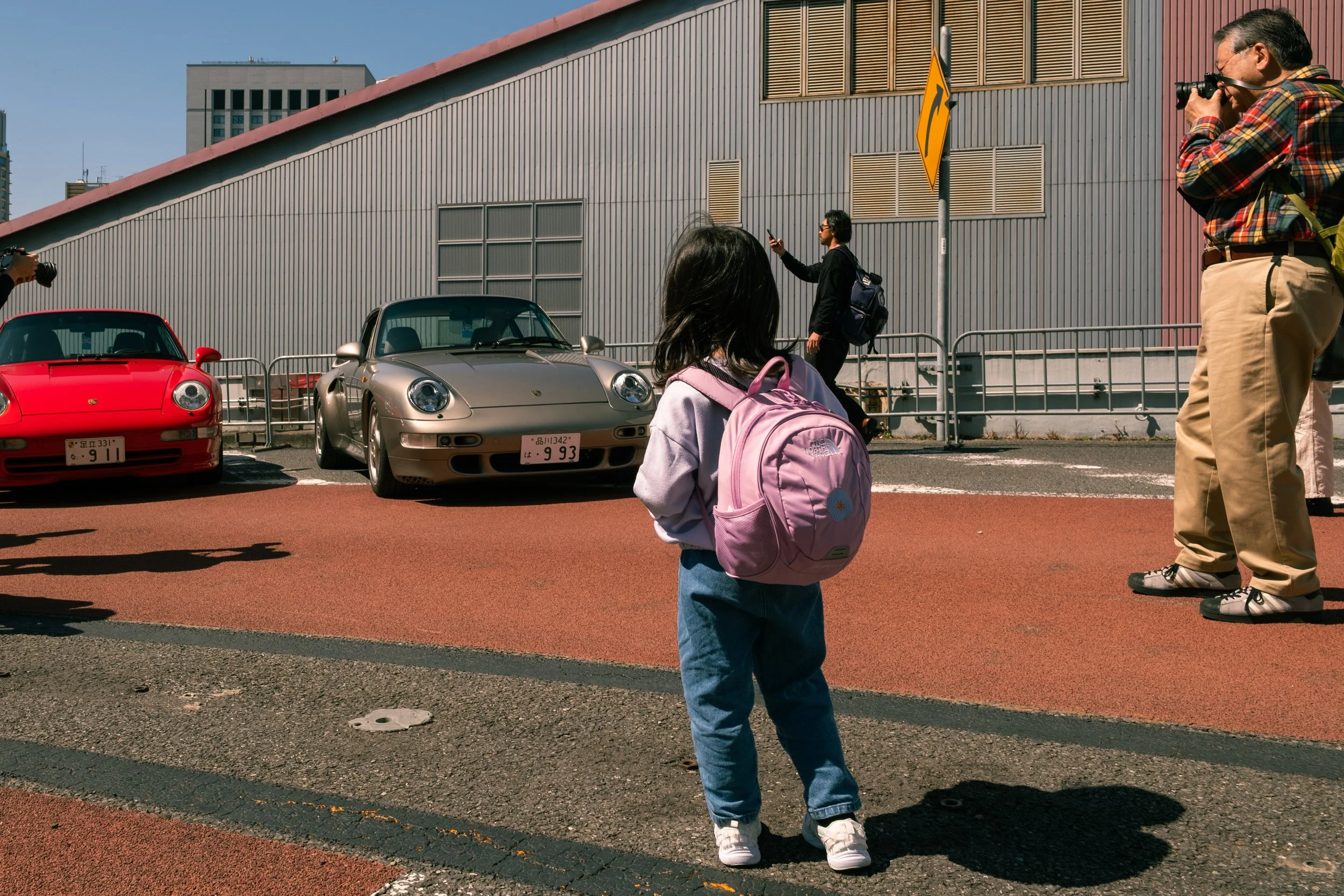
“Luft was never meant to be exclusive to owners. It was built to bridge a gap. To welcome the lifelong Porsche collector standing next to someone seeing their first 911 in person.” To educate without pretension. To create curiosity, not hierarchy.
That balance… between insider depth and outsider accessibility… became the foundation.
Luft became a movement.
A redefinition of what an automotive gathering could be. Less about horsepower figures and more about heritage. Less about exclusivity and more about experience. Less about ownership and more about connection.
It challenged the traditional model.
And in doing so, it created a new one.
Today, Luft isn’t just recognized within Porsche circles. It’s respected across the entire automotive world as a benchmark for how culture, design, and storytelling can intersect.
Air | Water: A New Chapter
In 2023, Patrick introduced Air | Water. A natural evolution. A broader canvas.
Where Luft celebrates air-cooled heritage, Air | Water opens the doors to the full spectrum of Porsche’s legacy… modern performance, diverse communities, and new generations of enthusiasts.
If Luft was about preserving a chapter, Air | Water is about telling the full story.
The scale speaks for itself.
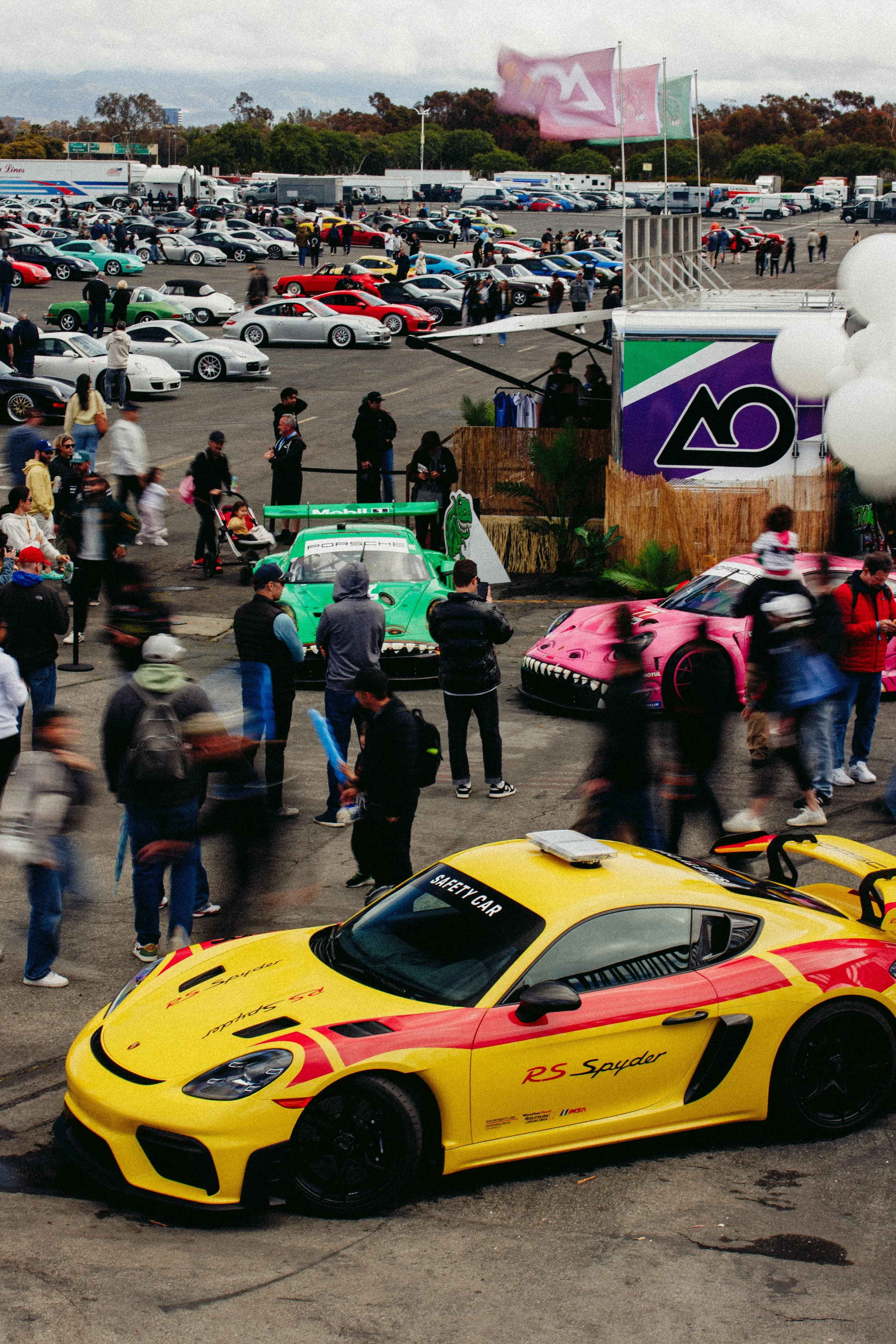
Over 1,000 cars.
More than 11,000 attendees.
Global representation from over 20 countries
The format expands beyond traditional shows. Live auctions. Aftermarket exhibitors. Modular spaces that create layered, immersive experiences. Not just rows of cars, but an environment designed to be explored.
A playground for the Porsche community.
At its core, Air | Water is about accessibility. Lower barriers. A broader audience. A space that welcomes both seasoned collectors and first-time enthusiasts. Family-friendly. Open by design.
Because the goal isn’t just to serve the culture.
It’s to grow it.
And in doing so, it reflects a more modern interpretation of Porsche itself. One that intersects with design, fashion, art, and lifestyle. Where the definition of belonging extends beyond the car.
If it connects to Porsche, it has a place.
Unlike Luft’s fixed timeline, Air | Water is fluid. It creates space for new stories, new debuts, and new generations of enthusiasts discovering the brand in real time.
It’s not just a continuation of heritage.
It’s the beginning of what comes next.
Because for Patrick, the mission was never just to preserve history.
It was to build a platform where history could continue to evolve.
Cars as Moving Picture Frames of Time and Legacy
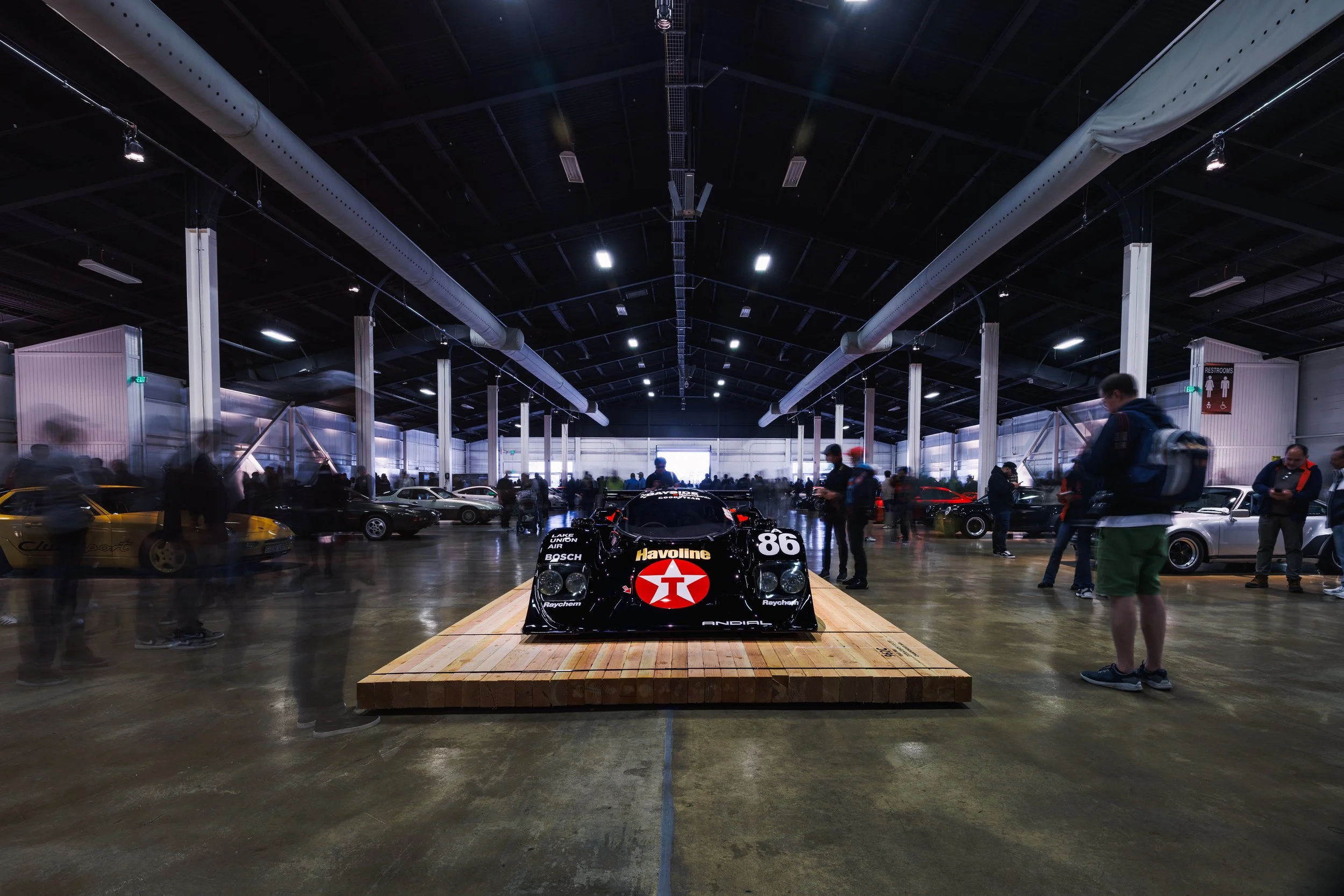
Patrick describes cars in a way few others do.
Not as machines.
But as moving picture frames.
They capture moments in time. They pass from one custodian to the next. They hold stories long after the engine shuts off.
It’s the same philosophy that drives both his racing career and his cultural impact.
To create experiences that people don’t just attend… but feel.
When asked how he hopes to be remembered, Partick doesn’t point to championships or statistics.
He points to disruption.
To challenge the traditional model of car culture.
To opening doors rather than closing them.
To building something inclusive, global, and enduring.
And for those coming up behind him, chasing their own version of the dream, his message is clear.
Clarity. Focus. Persistence.
The kind that goes beyond what most are willing to give.
Because the path isn’t easy.
But it is possible.
Patrick represents something rare in today’s automotive world.
A driver who mastered the track.
A storyteller who reshaped culture.
A builder who understood that legacy isn’t about what you achieve… but what you create for others.
From a go-kart at five years old to the global stage of Le Mans, from a single air-cooled Porsche to a worldwide movement…
This is not just a career… This is a life in motion.